Prototyping a New Business Model & Sales Channel Experience
SERVICE PROTOTYPE | BUSINESS MODEL VALIDATION | SERVICE DEVELOPMENT | BRANDED EXPERIENCE


Client:
The Project Goal
When entrepreneur Marin Medak approached us with his vision for an online optician that could disrupt the prescription eyewear market, the concept was compelling but unproven.
The service allows customers to select eyeglass frames online, receive up to three pairs with their prescription lenses to try at home for seven days, and only pay for what they decide to keep.
Inspired by the success of Warby Parker but with a crucial upgrade—sending prescription lenses for home trial, not just frames—the business model promised to solve real friction in eyewear purchasing while breaking the pricing monopoly maintained by licensed luxury brands.
However, potential isn't enough. Before committing resources to full development, we needed real market validation: Would Slovenian consumers actually buy prescription glasses this way? Could a curated selection satisfy diverse tastes?
Our goal was to test genuine purchase intent, not just gauge interest through surveys or focus groups.
The Approach
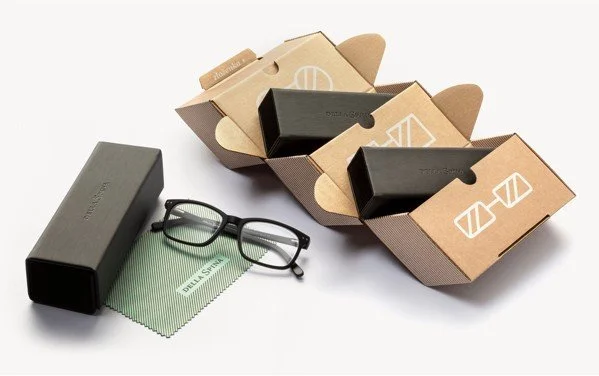
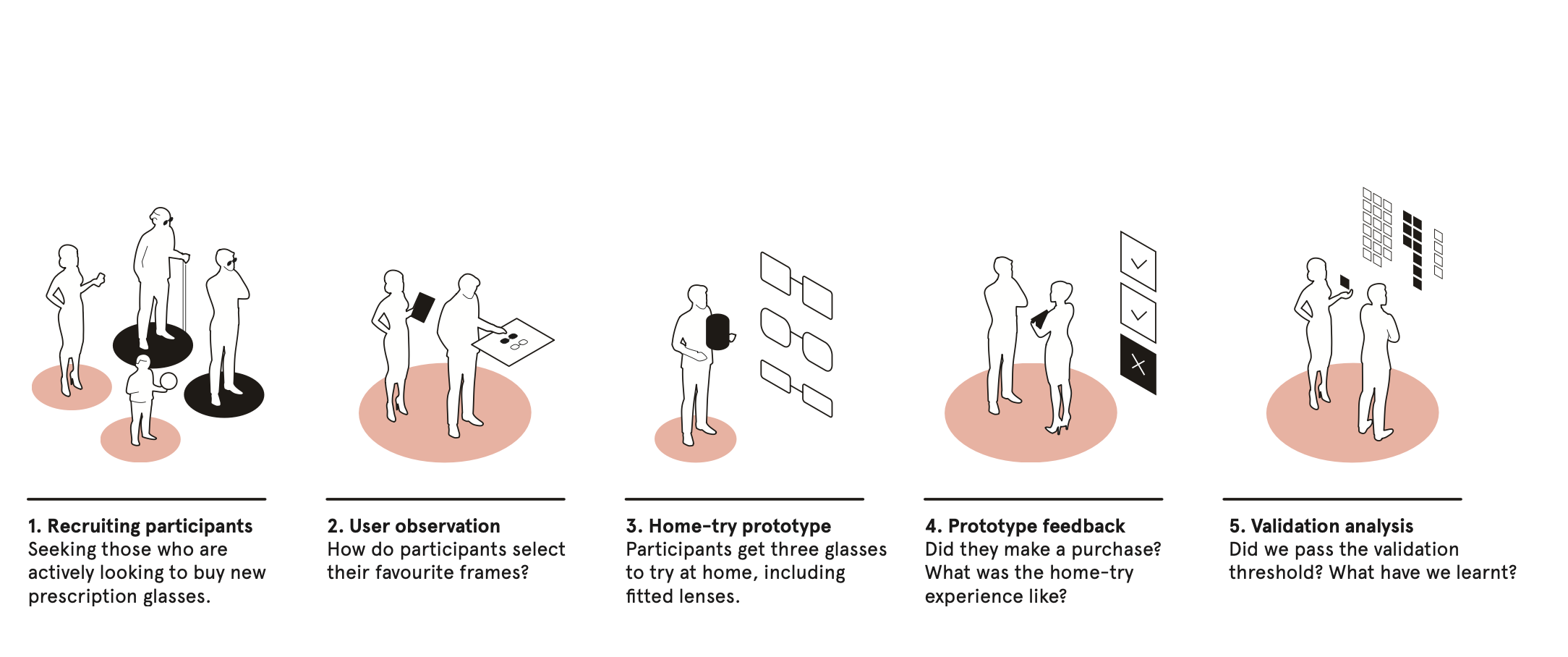
We designed a minimum viable service that recreated the most critical parts of the experience: selecting frames through photographs rather than physically, and trying prescription-ready glasses at home for seven days.
To ensure authentic behavior, we offered real glasses for purchase at a special pre-launch price—our success metric was actual conversion rate, not stated interest.
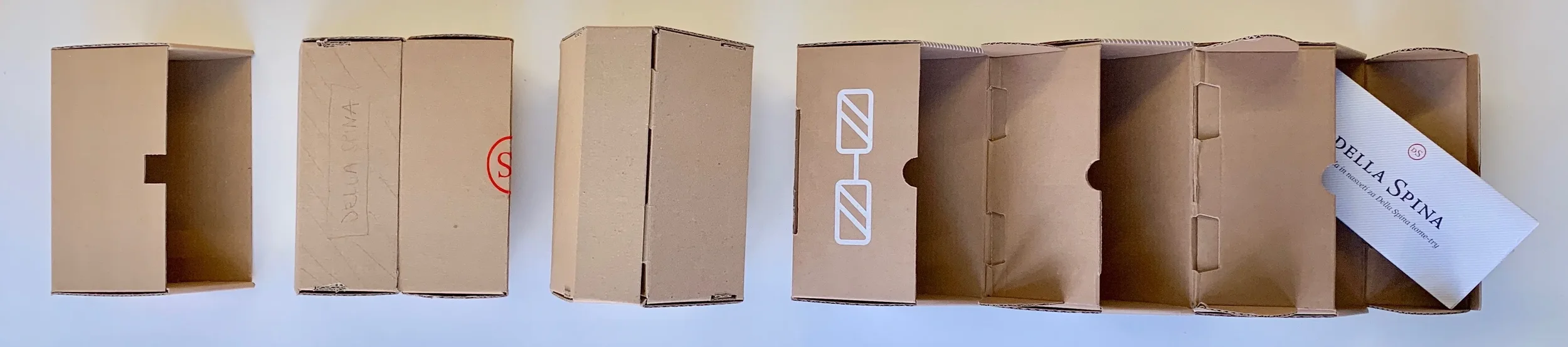
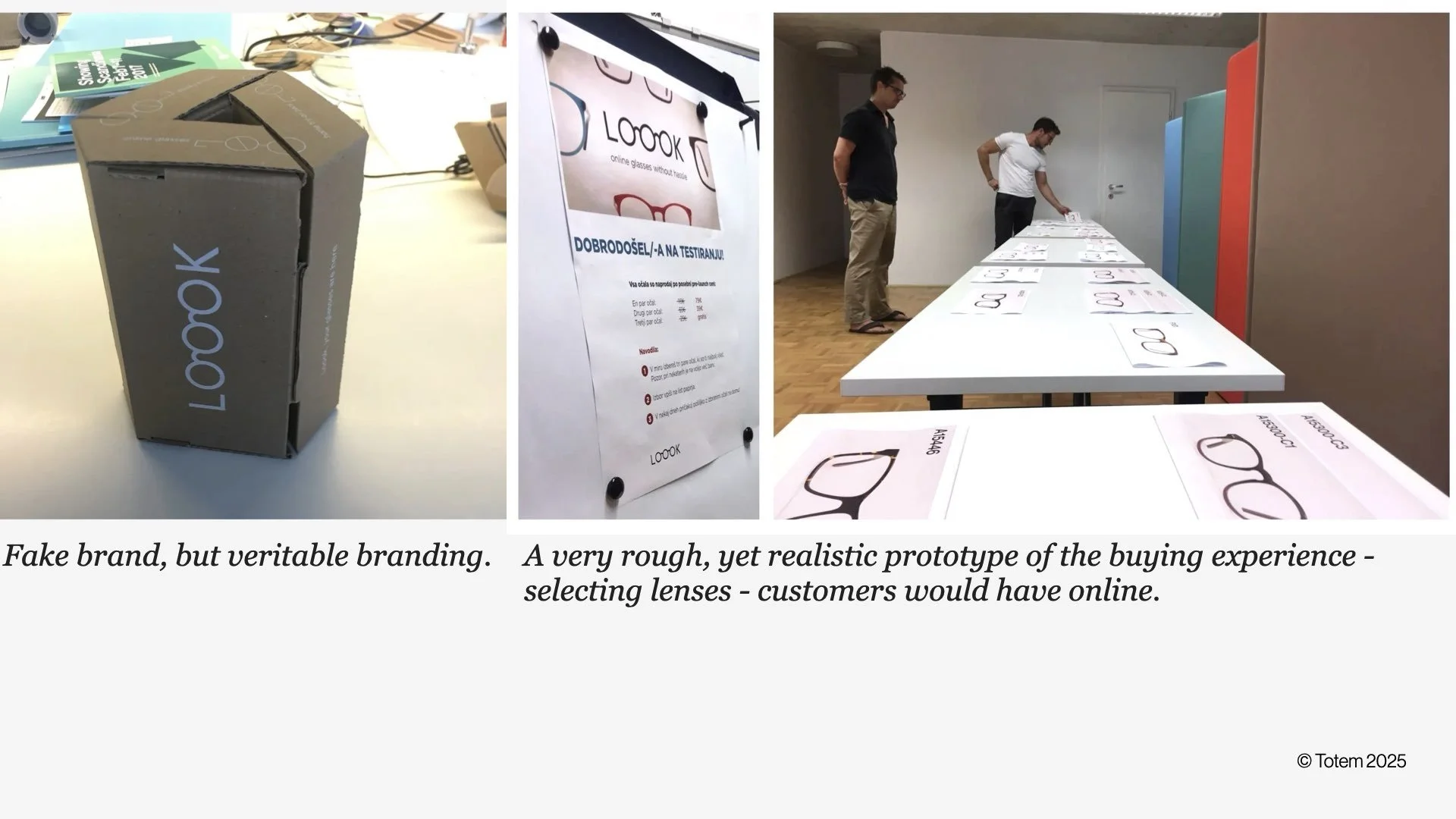
We created a provisional brand called "Loook" complete with thoughtful packaging to establish credibility and perceived value, because users wouldn't take the purchase opportunity seriously without it. We recruited participants who genuinely needed new glasses (had a current prescription, were actively shopping, aged 20-35) through social networks rather than friends or family to maintain objectivity.
The selection process was prototyped using printed photographs arranged on tables—an extremely low-resolution simulation of an online store that worked precisely because we managed expectations correctly.
Each session included interviews about eyewear purchasing habits and online shopping behavior for clothing (a similar "can't try before buying" category), knowing these insights would inform everything from website design to marketing strategy. We formalized the checkout process with paper forms where participants wrote down their chosen frame codes and shipping addresses, subtly creating psychological commitment similar to a real e-commerce transaction.
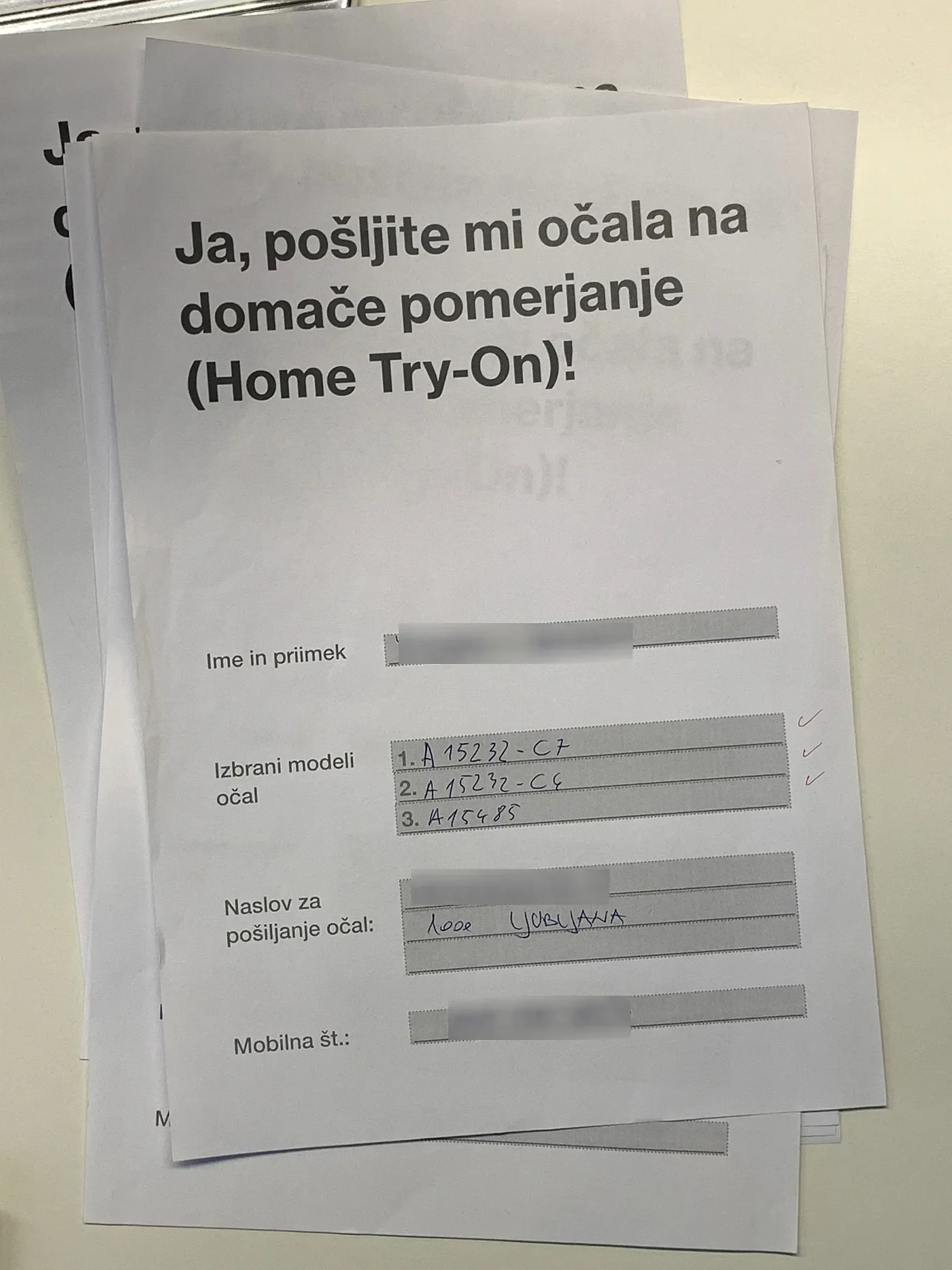
We made every participant sign a formal order, to mimick the check-out step of online shopping.
The Outcome
We set a 20% conversion threshold for successful validation, accounting for our limited frame selection. The actual result exceeded this by four times—80% of participants purchased glasses, with most buying all three pairs they'd tested (offered at tiered discounts).
The qualitative feedback revealed why: participants immediately swapped their old glasses for ours and wore them to work, university, and social events, where positive reactions reinforced their decision. This proved that beyond competitive pricing, the ability to trial finished prescription glasses in real life—not just at home in front of a mirror—created radical competitive advantage over traditional optician shopping.
The validation gave us concrete evidence that the business model worked and provided rich insights that shaped the complete service development:
brand values and positioning,
the name "Della Spina,"
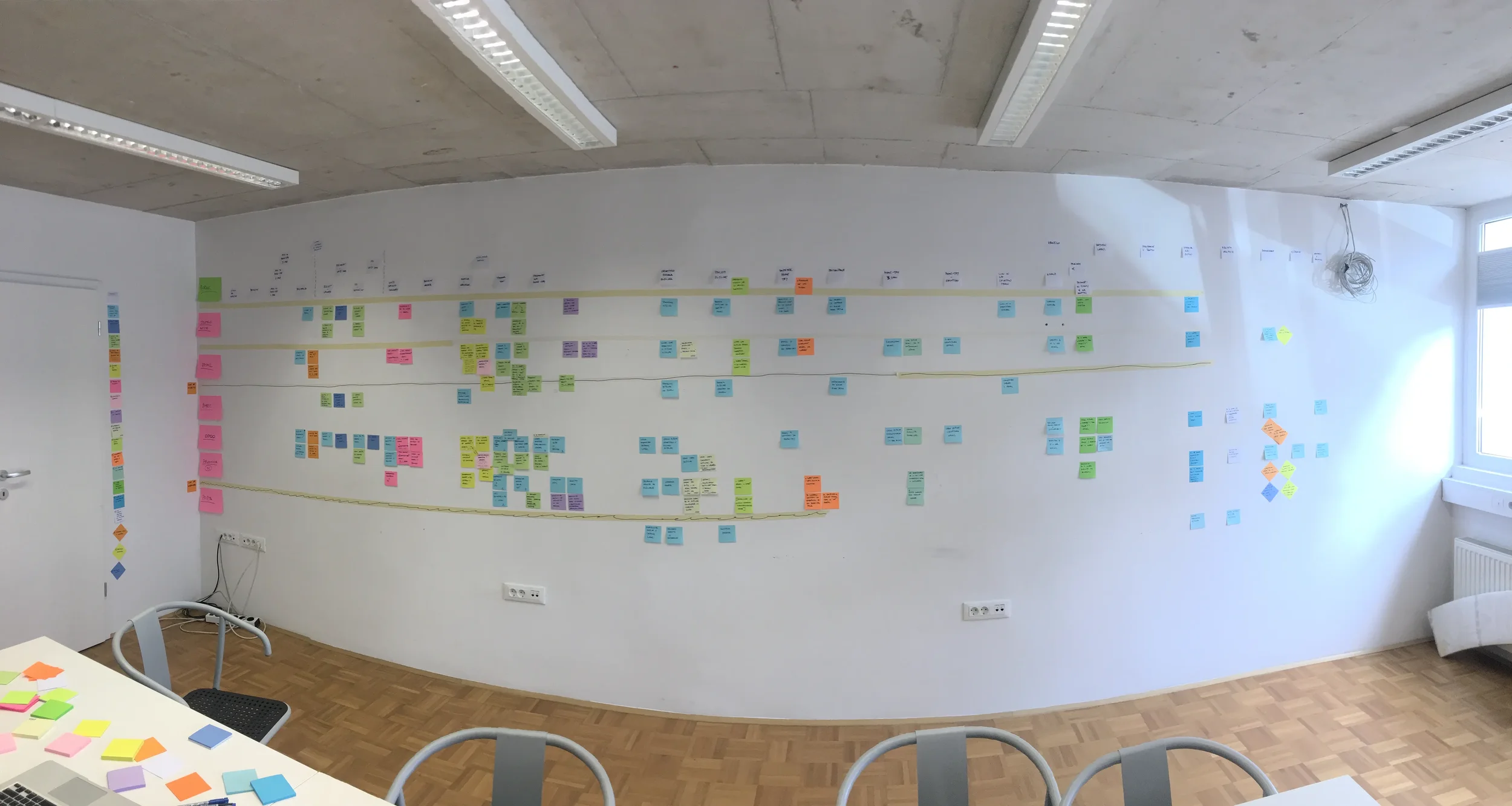
end-to-end service design mapping 19 different scenarios across five stakeholder groups, and
website user experience testing.
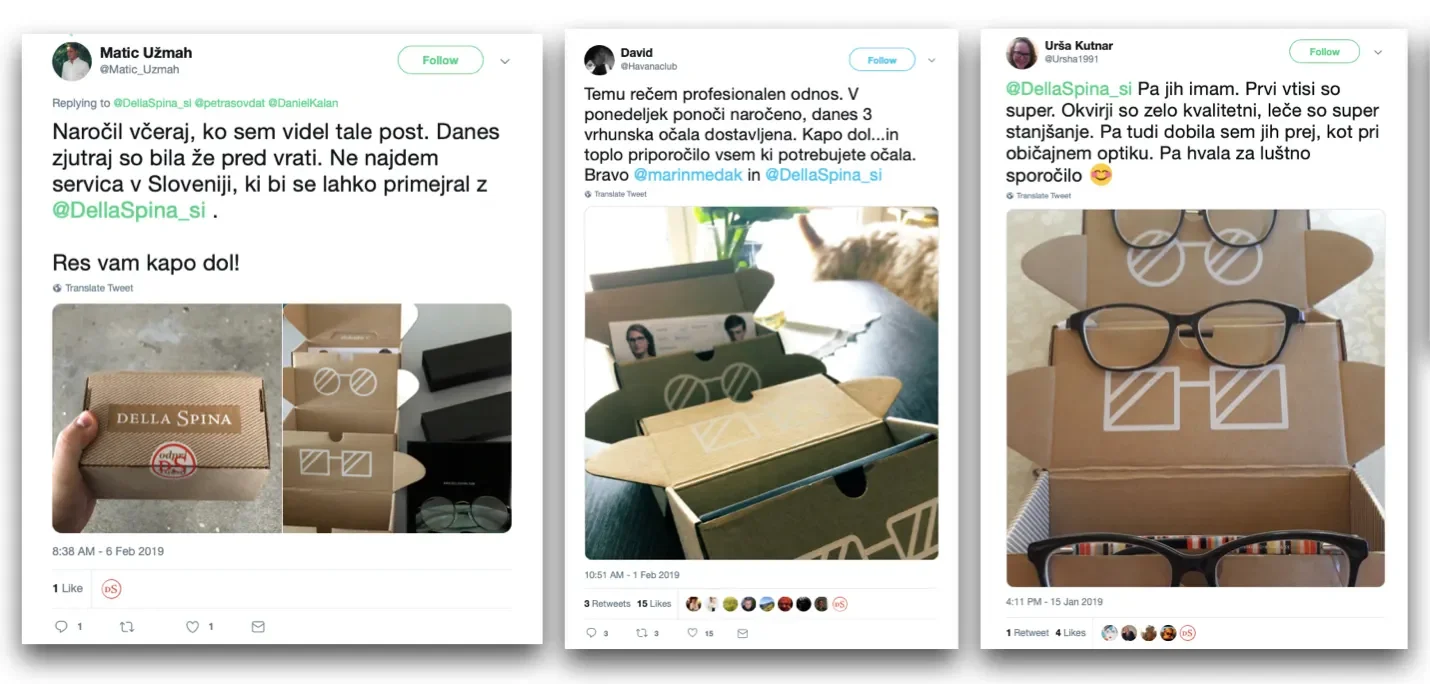
Marin launched Della Spina in January 2019 to enthusiastic media coverage and customer response, validating not just a business idea but a methodology for testing service concepts with real market stakes before full investment.